blue sky with white clouds

The Importance of Gluten Free Makeup

Your skin deserves the same care as your diet — and that’s why gluten free makeup matters. For anyone with celiac disease, gluten sensitivity, or simply a desire for cleaner beauty, choosing gluten free cosmetics can help prevent irritation, breakouts, and accidental gluten exposure. In this post, we’ll explore how gluten can hide in everyday beauty products, why it’s important to check ingredient labels, and how switching to gluten free makeup can support your overall wellness. Feel beautiful inside and out — safely, naturally, and confidently.

11/2/20252 min read

pink and brown makeup brush set

Why Gluten-Free Makeup Matters

For individuals with celiac disease, non-celiac gluten sensitivity, or even gluten intolerance, avoiding gluten is essential to prevent reactions and long-term health effects. While gluten cannot be absorbed through the skin, it can cause problems if accidentally ingested — and that’s where makeup becomes a concern.

Lipsticks, lip glosses, lip balms, and even face powders can easily end up near the mouth, making accidental ingestion likely. If those products contain gluten, they could trigger an immune response or cause uncomfortable symptoms such as bloating, headaches, or fatigue in sensitive individuals.

Skin Sensitivity and Gluten

Beyond ingestion, some people with gluten sensitivity also experience skin irritation when using products that contain gluten. Makeup and skincare formulas with wheat, barley, or rye derivatives can contribute to issues such as redness, itchiness, or dermatitis. Even if a reaction isn’t severe, it can be frustrating for those who are already trying to manage sensitive skin.

That’s why gluten-free makeup is becoming more than just a niche option — it’s an important part of a truly gluten-free lifestyle.

red and white heart shaped decor

Common Gluten Ingredients in Makeup

If you’re checking your beauty products, here are some ingredients that might signal the presence of gluten:

  • Triticum vulgare (wheat)

  • Hordeum vulgare (barley)

  • Secale cereale (rye)

  • Avena sativa (oats, unless certified gluten-free)

  • Hydrolyzed wheat protein or wheat germ oil

These ingredients can appear in everything from foundations and mascaras to lip products and skincare. Reading ingredient lists carefully — and choosing brands that clearly label their products as gluten-free — can make a big difference.

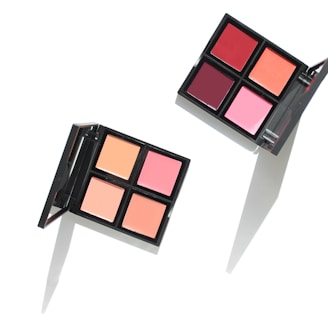
black and red square frame

The Rise of Gluten-Free Beauty Brands

Thankfully, the beauty industry is paying attention. Many makeup companies now create certified gluten-free products that are safe for sensitive individuals. Brands like bareMinerals, Physicians Formula, E.L.F., and Tarte offer gluten-free options for foundations, lipsticks, and skincare — without sacrificing quality or style.

Tips for Building a Gluten-Free Makeup Routine

  1. Start with lip products. Since these are most likely to be ingested, prioritize switching to gluten-free options first.

  2. Replace items gradually. As you use up your current products, replace them with gluten-free versions to make the transition easier and more affordable.

  3. Look for certification. Labels that read Certified Gluten-Free or list no wheat, barley, rye, or oats help ensure product safety.

  4. Don’t forget your brushes. Clean makeup brushes regularly — especially if you’ve used non-gluten-free products before.